
The SuppleFit Guide to Post-Workout Recovery
Effective recovery is the bridge between your last workout and your next peak performance. This guide outlines how to use our tools to manage muscle tension and keep your body moving fluently. By understanding the mechanics of muscle recovery, you can tailor your post-activity routine to your specific physical needs and goals.
Understanding Muscle Recovery
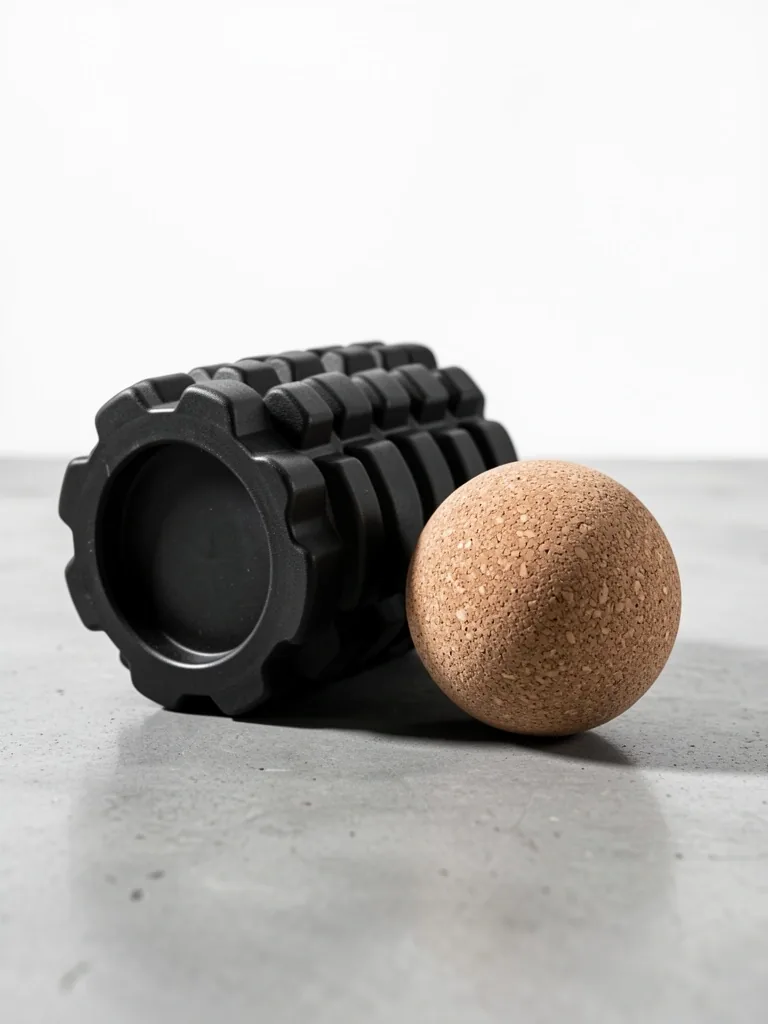
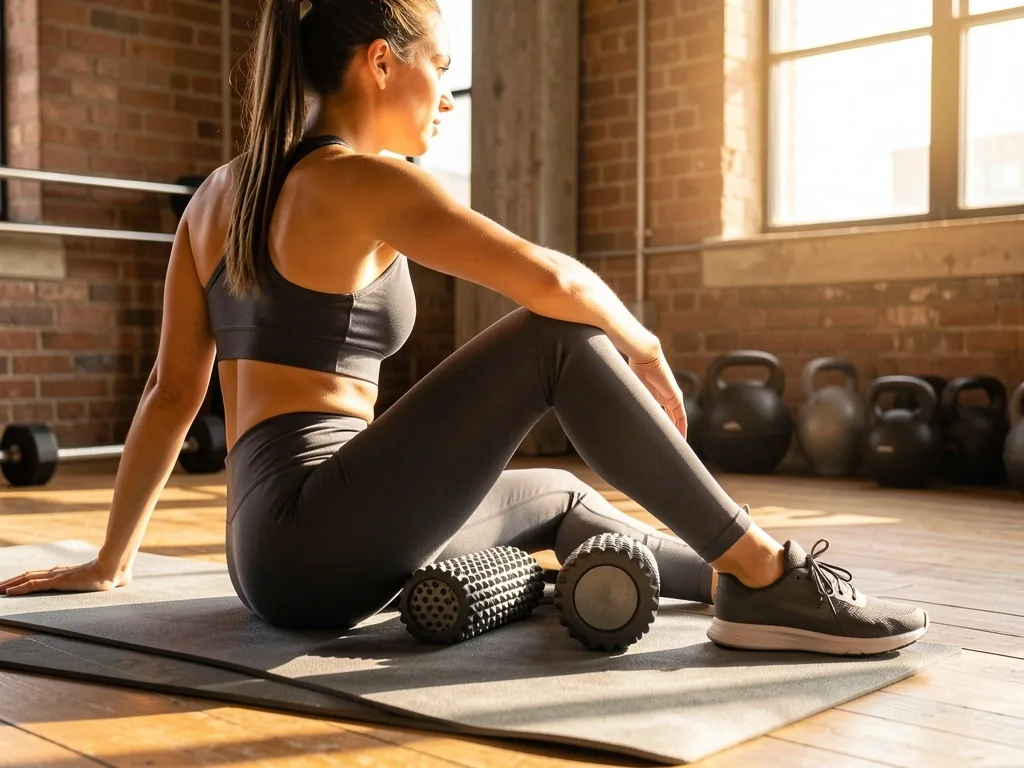
After physical exertion, your muscle fibres require time and the right conditions to repair. Using a foam roller or massage ball immediately after exercise helps to stimulate blood flow to the area. This increased circulation provides the oxygen and nutrients necessary for the body's natural repair processes.
The key is consistency. A few minutes of deliberate work with the right myofascial release tools each day does more for your mobility than an occasional long session. Your body adapts to the signals you send it regularly, and blood flow is one of the clearest signals you can give.
Foam Rolling Exercises for Every Muscle
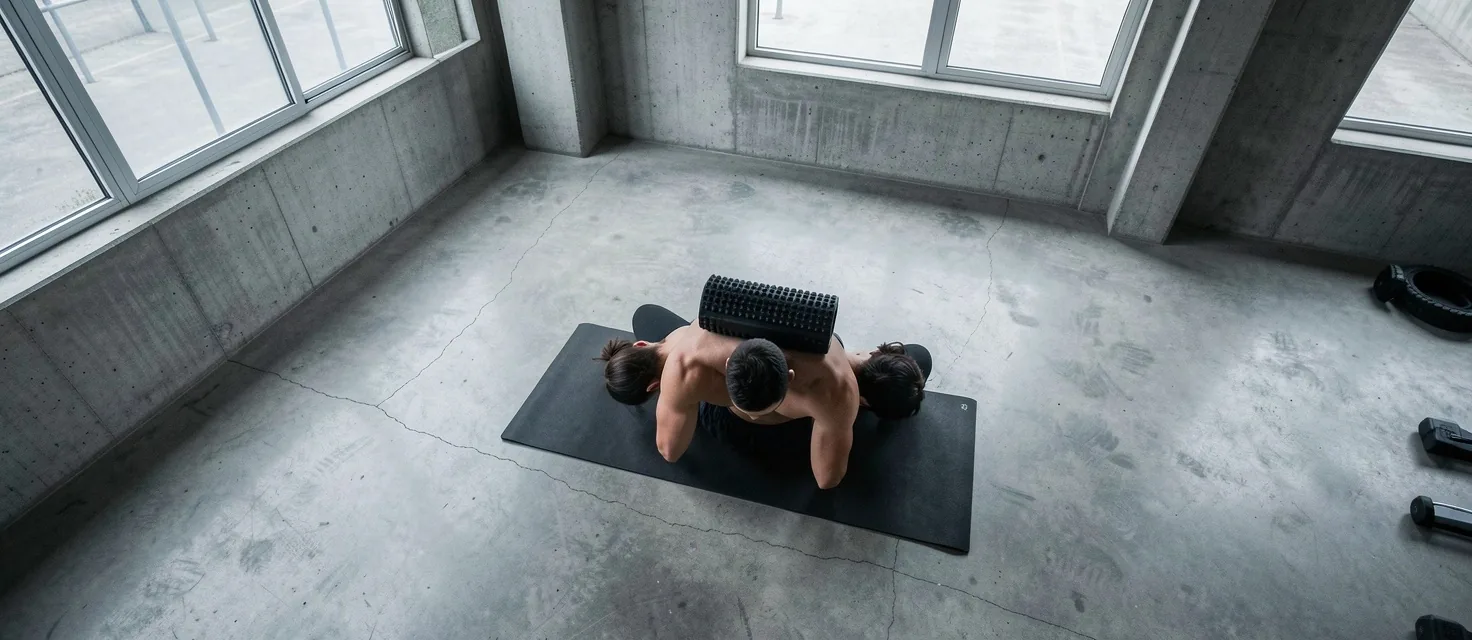
Knowing how to roll is just as important as having the tool. For the legs, we recommend slow, deliberate passes over the quads and IT bands, pausing on any particularly tight spots. For the upper body, using a roller on the lats and upper back can help counteract the "rounded shoulders" posture often caused by fatigue.
Slow passes over quads and IT bands. Pause on tight spots for 20–30 seconds before moving on.
Roll the lats and upper back to counteract rounded shoulders from training fatigue.
Move roughly one inch per second. Faster passes do not give the tissue enough time to respond.
Stretching for a Stiff Back
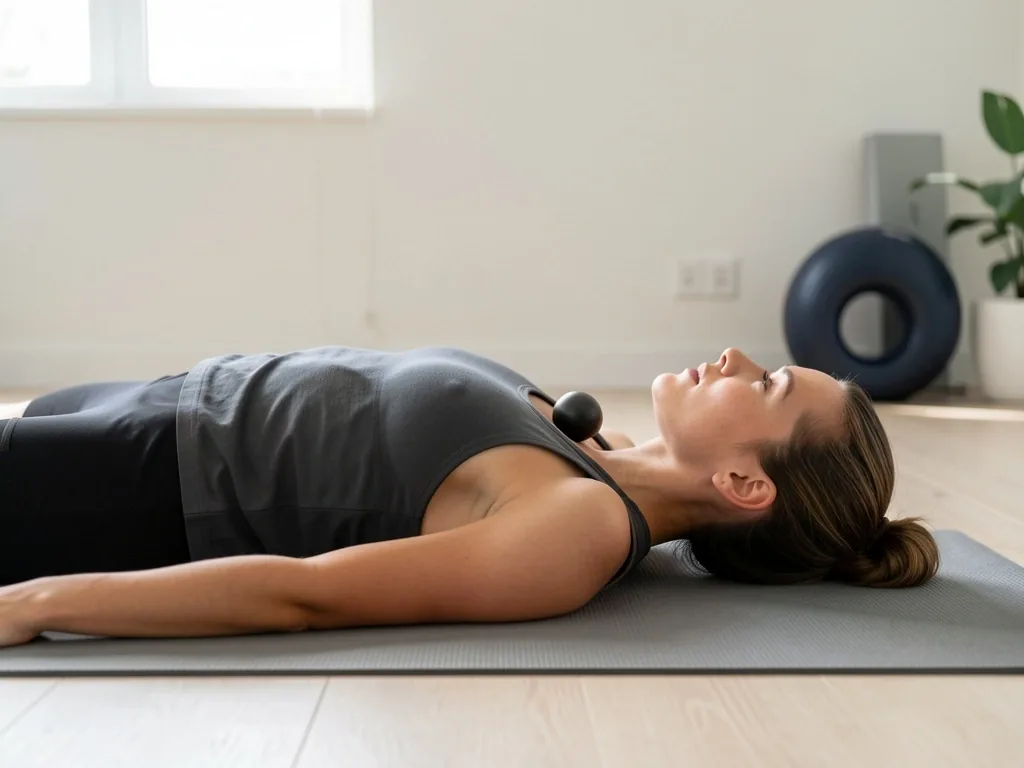
A stiff back is a common complaint for both athletes and office workers. We suggest a combination of active stretching and the use of a peanut massage ball. Placing the ball under the upper back while performing gentle arm movements can help open up the chest and loosen the muscles around the shoulder blades.
The peanut shape is designed to cradle the spine, so you can apply pressure to the muscles on either side of the vertebrae without pressing directly onto bone. Lie back, let gravity do the work, and breathe slowly for two to three minutes per position.
Post-Workout Recovery Timelines
The first 30 minutes after exercise are ideal for dynamic stretching and light rolling while the muscles are still warm. Within two hours, focus on static stretches and deeper myofascial release. Consistently following this timeline helps to minimise the stiffness that often peaks 24 to 48 hours after a hard session.
Dynamic Phase
Light, controlled movement while muscles are still warm. Dynamic stretches and gentle foam rolling passes to maintain blood flow.
Static Phase
Transition to static stretches and deeper myofascial release. Hold each stretch for 30–60 seconds, breathing steadily.
Maintenance
Short rolling sessions morning and evening. Stay hydrated and keep moving to reduce the stiffness that peaks in this window.
Lower Back Relief Techniques
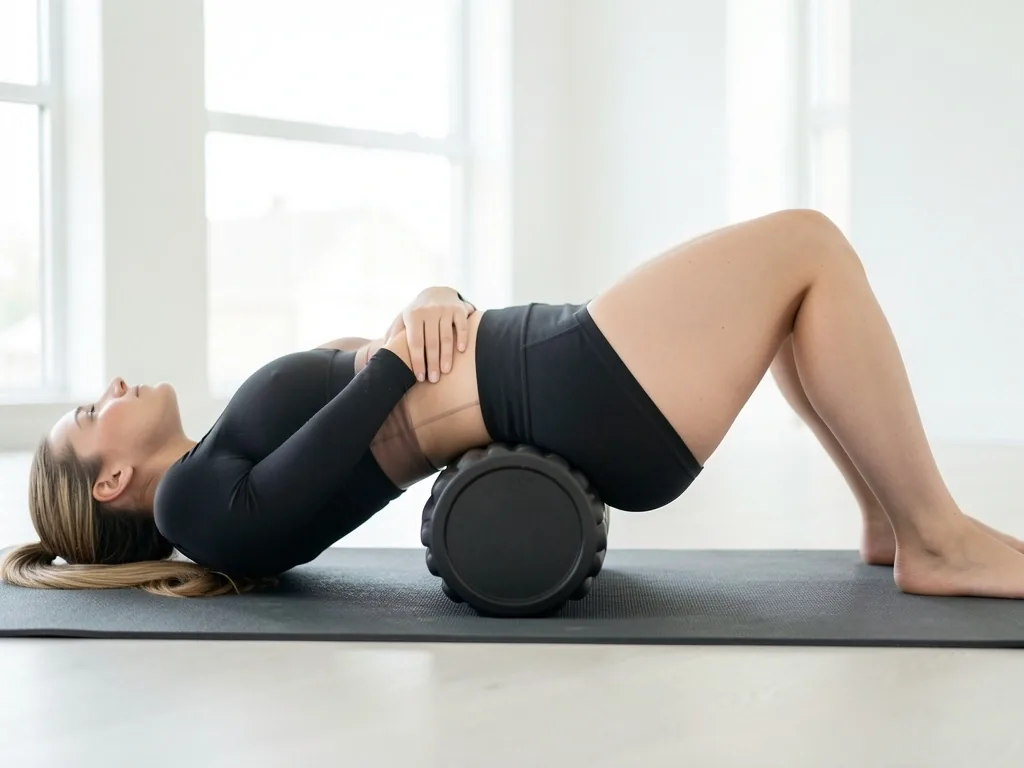
Relieving tension in the lower back often involves addressing the surrounding muscles, such as the hip flexors and glutes. Using a large foam roller on the glutes can take the pressure off the lower spine. Additionally, lying over a lumbar support cushion for a few minutes each evening can help restore natural spinal alignment.
The lower back rarely stiffens in isolation. Tight hip flexors pull on the pelvis, which in turn affects the curve of the lumbar spine. Spending time releasing the hips and glutes is often more productive than pressing directly into the lower back itself.
How to Release Muscle Knots Effectively
To release a specific knot, apply steady, direct pressure using a massage ball for 30 to 60 seconds. You may feel a slight discomfort, but the sensation should eventually "melt" away as the muscle relaxes. Avoid rolling directly over bones or joints; keep the pressure focused on the soft muscle tissue.
Locate the knot
Roll slowly until you find a tight, tender spot. Stop when you reach it.
Hold pressure
Keep the ball still over the knot for 30 to 60 seconds. Breathe steadily throughout.
Wait for the melt
The initial discomfort should ease as the tissue softens. If it does not, reduce the pressure.
Move on
Slowly roll away from the spot. Never roll directly over bones or joints at any stage.
Stretching for Beginners: Getting Started
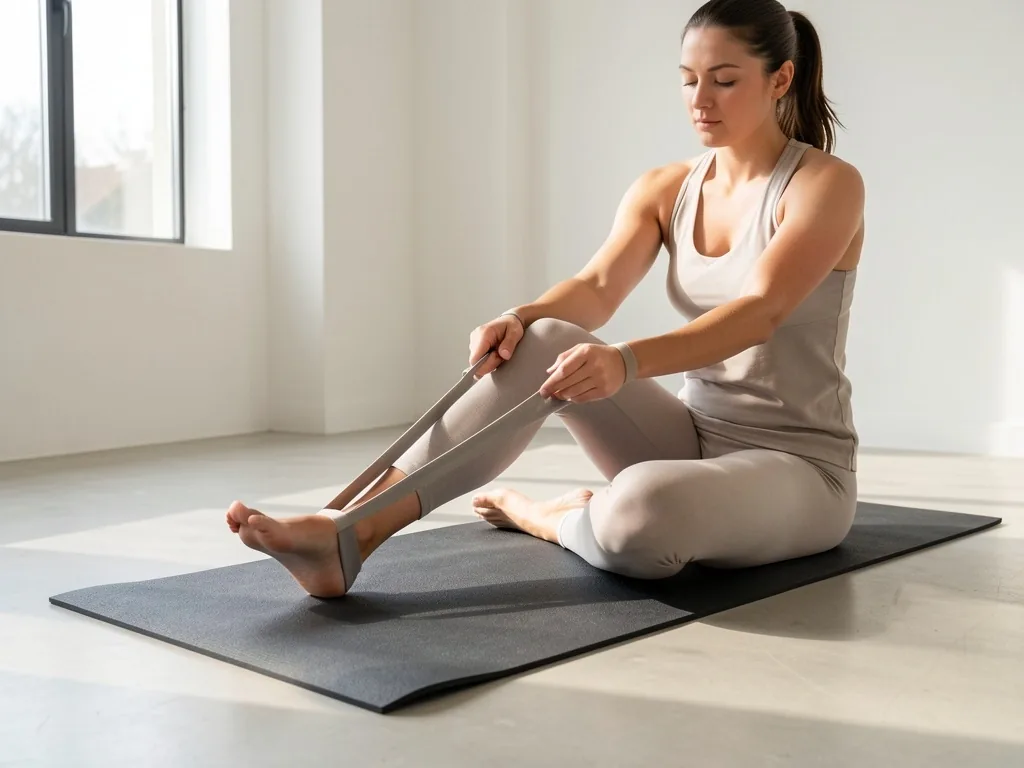
If you are new to stretching, start with 5 to 10 minutes of gentle movements on a yoga mat. Focus on the major muscle groups: calves, hamstrings, and shoulders. Use a resistance band to help you reach your toes if you aren't quite there yet. The goal is a gentle pull, never sharp discomfort.
A pilates mat gives you enough cushioning to stay comfortable on the floor without losing stability. Begin with a simple body stretching routine that covers the calves, hamstrings, and shoulders. Progress comes from doing it often, not from pushing deeper into any one stretch.
Creating a Weekly Recovery Schedule
Recovery should be scheduled just like your workouts. We recommend two full "recovery sessions" per week where you spend 30 minutes focusing solely on mobility and MFR. On other days, a quick 5-minute roll-out before bed can help maintain the progress you've made.
30 minutes, twice a week
- 10 min — Full-body foam rolling (quads, IT bands, lats, glutes)
- 10 min — Peanut ball work on upper back and shoulder blades
- 10 min — Static stretches for hamstrings, hips, and chest opener
5 minutes before bed
- 2 min — Quick roll over the calves and quads
- 2 min — Peanut ball under the upper back while breathing deeply
- 1 min — Gentle seated forward fold to close the day
Ready to put these techniques into practice?
Explore our full range of myofascial release tools, stretching equipment, and mobility gear. Everything you need for your post-workout recovery routine, shipped from our Glasgow warehouse.
Get in touch with our team
If you need help choosing the right tool for your routine, we are happy to talk you through the options.
Visit our contact page+44 141 495 9977
Mon–Fri, 09:00–18:00
SuppleFit
Suite 4, The MFR Centre, 22 Stirling Road, Glasgow, G41 1NY, United Kingdom
[email protected]